Crane Scale Explained: A UK Buyer's Guide
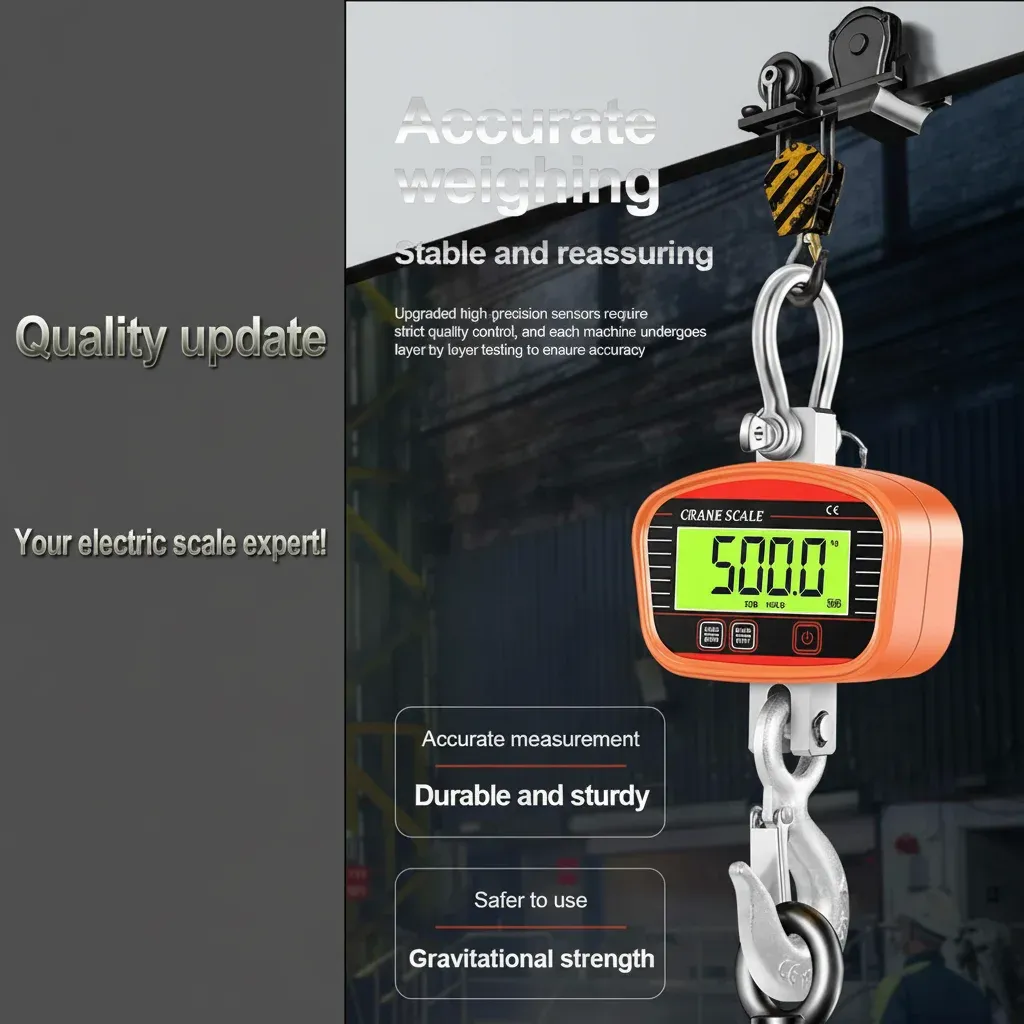
Dropped a Crane Scale? What to Do Before Reuse
Quarantine a dropped crane scale, record the incident, arrange competent safety examination and metrological checks, then control its release before reuse.
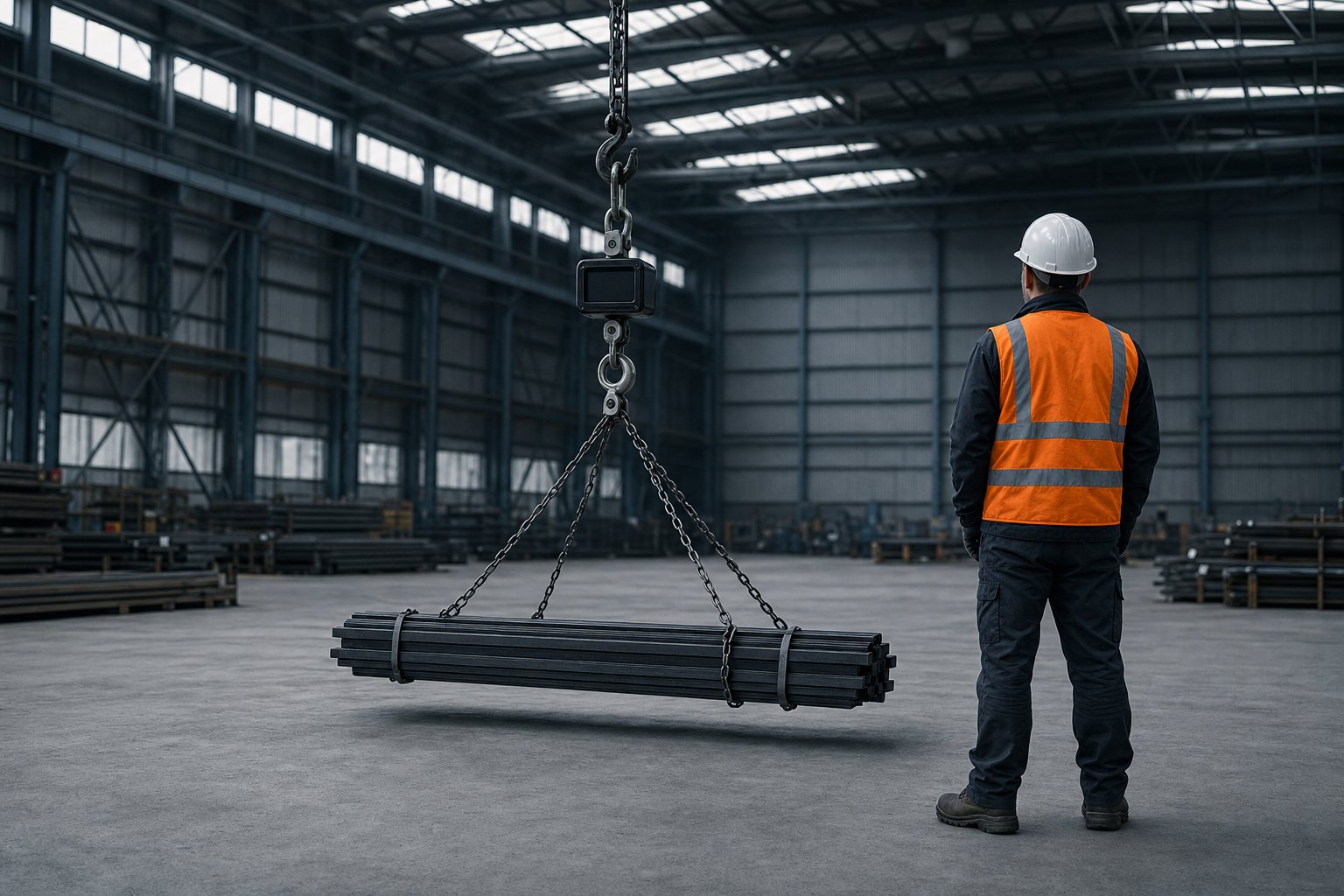
Crane scale after being dropped — what to do: stop using it, quarantine it and record the incident. Do not return it to service because it looks undamaged, powers up or shows zero. A competent person must inspect the scale, decide and complete the necessary examination, and address any defect. Its weighing performance also needs a controlled metrological check. Release it only when both safety and measurement acceptance are documented.
Make the area safe and quarantine the scale
Stop the lifting operation and lower or secure any load by the planned safe method. Keep people outside the suspended-load hazard area; nobody should stand beneath a load while the incident is investigated. If the drop happened during a lift, consider the hoist, attachments, slings and load as part of the event rather than assuming only the scale was affected.
Once it is safe to handle, remove the scale from service. Attach a clear “DO NOT USE” tag, identify it by asset and serial number, block it in the equipment register or issue system, and store it where it cannot be collected accidentally.
Do not suspend a “small test load”. Another lift creates exposure before the condition of the load path is known.
Preserve a useful incident record
Create the record promptly, while details are available. Include the date, time, location, operator, scale identification, approximate fall distance, landing surface and which part struck first, if known. Note whether the scale was carrying a load, whether the load or rigging struck anything, and any unusual sound, display behaviour or loss of power. Add photographs without dismantling or cleaning the unit.
Attach the latest inspection, examination and calibration records, manufacturer’s instructions and relevant lift-plan information. Record who imposed quarantine and who may remove it. This evidence helps the examiner assess possible damage; it does not authorise an unqualified diagnosis.
“It looks fine” is not an acceptance criterion
An impact can deform load-bearing parts, loosen fasteners, damage the load cell or alter alignment without an obvious external mark. An intact display says little about internal integrity.
A normal zero indication is equally limited. The P6 product page states a 500 g display division, but display division is not the same as verified accuracy. A scale can resolve increments on screen while its indications have shifted, and repeatable readings cannot prove that its load-bearing parts remain safe.
Arrange competent inspection and examination
HSE describes a LOLER thorough examination as a systematic, detailed examination of safety-critical parts by a competent person, followed by a written report. HSE also identifies damage or failure as an exceptional circumstance liable to jeopardise lifting-equipment safety. Treat a drop as a potential exceptional circumstance and keep the scale quarantined while a competent person determines the required scope.
Give a suitably experienced examiner the incident evidence and ask them to assess the complete load path, including the upper attachment, hook, latch, pins, joints, load cell and connected parts. Housing, controls, identification and safe-working-load markings may also need checking.
The competent person decides whether visual and functional checks are sufficient or whether disassembly, measurements, non-destructive testing, manufacturer input or load testing is necessary. If repair is required, use an authorised process and follow the post-repair examination guide. Never straighten a hook, eye or casing yourself, weld a load-bearing part, substitute a pin, or conceal damage by filing or repainting.
Do not invent a proof or drop test
Dropping the scale again can worsen hidden damage. Do not hang an arbitrary heavy load or treat the capacity marking as a DIY proof-test instruction. HSE warns that some overload tests can cause damage; testing should follow the competent person’s risk-based judgement and manufacturer information.
For a dropped unit, the inspection scope — visual, functional, calibration, any load or NDT testing — is set by the manufacturer and your competent person for that exact scale; record the methods and results before it lifts anything again.
Any authorised suspended-load test is itself a lifting operation. Under the HSE LOLER overview, it must be properly planned by a competent person, appropriately supervised and carried out safely. Use a controlled exclusion area and never exceed the lowest-rated component.
Complete a separate metrological check
Safety examination asks whether the equipment can lift safely. Metrological checking assesses whether its indications remain suitable for the intended task. Neither result replaces the other.
A suitably competent calibration provider should define checks across the relevant working range using appropriate reference standards, a documented method and application-based acceptance criteria. The scope may consider zero, indication error and repeatability, reflecting the impact, maker’s instructions and previous results. Do not use an improvised suspended weight or adjust the scale before the authorised procedure requires it.
UKAS LAB 14 guidance distinguishes calibration from adjustment and explains the importance of suitable traceability and uncertainty. A quick check is not automatically a calibration. The P6 is for check weighing, not legal-for-trade pricing or weight-based trade transactions; a post-impact check does not create legal-for-trade approval.
Release only against recorded evidence
A named authorised person should confirm that the incident record is complete, defects are closed, reports are acceptable, and metrological results meet the intended-use criteria. Update the register, status label and next-due information before removing quarantine. Add any restrictions to the crane scale safe-use procedure.
If any report is incomplete, acceptance criterion is missed or responsibility is unclear, the scale stays out of service. Replacement may be safer and more economical than uncertain repair, but reuse must never be decided by appearance or operational pressure.
Frequently asked questions
Can I reuse the scale if it powers on and reads zero?
No. Those observations do not establish structural integrity or weighing performance. Keep it quarantined until the competent safety process and metrological check are complete.
Does every drop require a proof-load test?
No automatic proof-test rule should be invented. The competent person determines whether testing is necessary and what method is safe; an improvised overload or drop test can cause further damage.
Is a calibration certificate enough to release it?
No. Calibration addresses measurement within its stated scope. It does not replace inspection, any required LOLER thorough examination, defect closure or authorised return to service.
Ready to try CraneScale?
Shop Now â £274.48