Charging by weight versus checking suspended loads: choosing the right weighing role
For a scrap business in Great Britain, choosing equipment for transaction weights and choosing equipment for internal suspended-load checks are separate decisions. GOV.UK requires trade-weighing equipment to be passed as fit for use for trade; HSE requires lifting equipment to be appropriate for the task. CraneScale states that its P6 is not UK legal-for-trade and must not be used to buy or sell by weight.
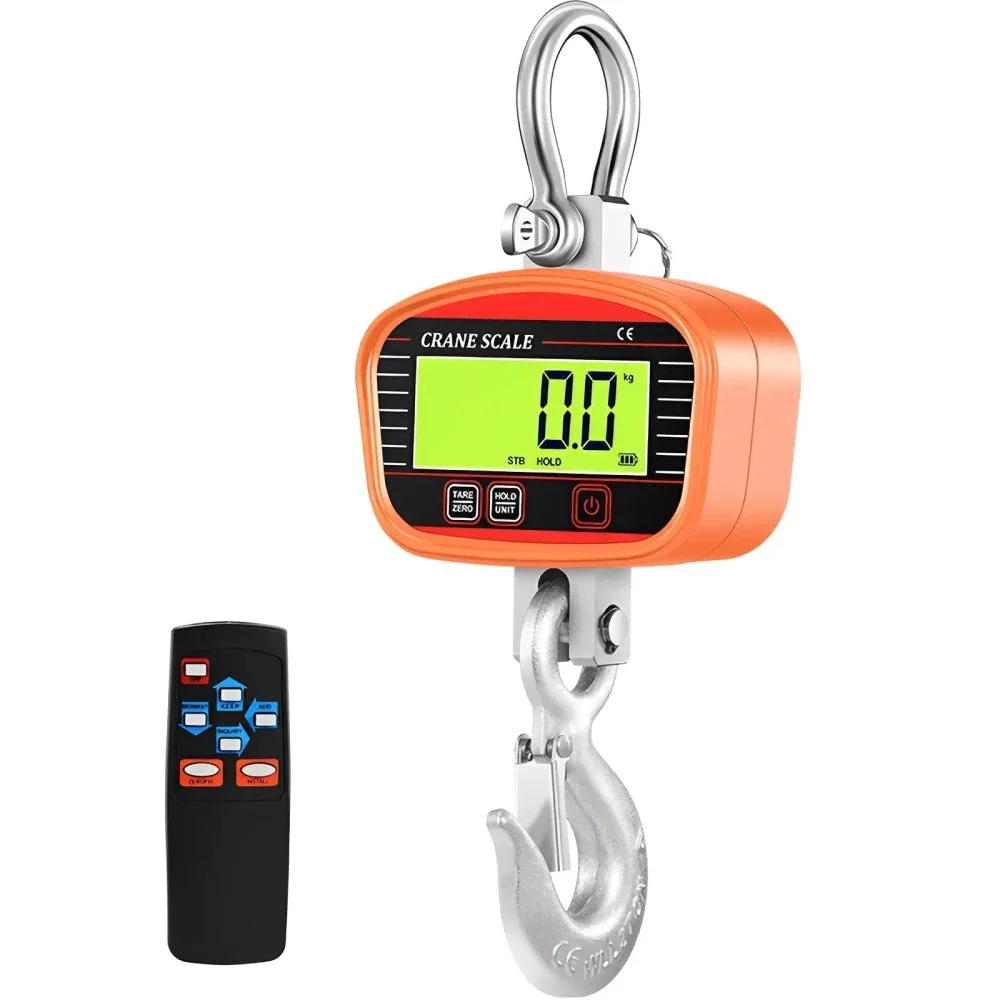
If you are searching for “crane scale legal for trade UK”, start with what the reading will determine: the amount paid, an internal load check, or both. This separates the purchasing question into two parts before you compare products.
When the weight determines the payment
GOV.UK’s business guidance states that weighing and measuring equipment used in business must be passed as fit for use for trade by a Weights and Measures Inspector or an approved verifier. For a purchase intended to produce transaction weights, ask for evidence that the proposed equipment has been passed for trade use.
When the weight supports an internal suspended-load check
An internal checking role still needs a lifting-suitability decision. HSE states that equipment used for lifting must be fit for purpose, appropriate for the task and suitably marked, and in many cases must undergo statutory periodic thorough examination.
Treat these as two questions to resolve separately: “Is this equipment suitable for the transaction weight?” and “Is it suitable for this lifting task?” If the same proposed equipment will serve both roles, ask for evidence addressing each role rather than treating one answer as sufficient for both.
Where the P6 fits into the decision
CraneScale’s contact page states: “This P6 is not UK legal-for-trade (NAWI) and must not be used to buy or sell by weight.” Exclude the P6 from a purchase intended to determine what a buyer pays or a seller receives by weight. Considering it for an internal checking role requires a separate suitability assessment; this article does not establish its suitability for a particular lifting arrangement.
Turn the two weighing roles into a practical purchasing brief
Use the following proposed method to describe the job before requesting quotations. Its purpose is to keep the transaction requirement and the lifting requirement visible throughout the purchase.
1. Identify which reading will set the price
Write down the point in your workflow at which the transaction weight is established. Then identify any separate suspended-load readings that you want for internal checks. If you intend one reading to serve both purposes, say so explicitly in the enquiry.
For example, in a hypothetical scrap operation, a ground-level weighing stage supplies the weight used for payment, while a separate suspended-load reading is recorded internally. Label the two readings in the purchasing brief: “transaction weight” and “internal check”. If the operation instead intends to calculate payment from the suspended reading, label that reading as a transaction weight from the outset.
2. Ask for evidence specific to the transaction role
For equipment intended to establish the transaction weight, ask the supplier how it has been passed as fit for use for trade and request the relevant evidence. GOV.UK identifies a Weights and Measures Inspector or an approved verifier as the parties who can pass equipment as fit for trade use.
Include a question about future changes to the equipment. GOV.UK’s guidance states that equipment which is repaired or adjusted will need to be requalified by the Inspector or an approved verifier. Ask who would handle that process if it becomes necessary.
3. Describe the lifting task separately
For the suspended-load role, describe the intended equipment arrangement and task, then ask what evidence addresses its suitability. HSE’s requirements cover fitness for purpose, appropriateness for the task, suitable marking and, in many cases, statutory periodic thorough examination.
Keep the questions concrete: “What shows that this equipment is appropriate for our stated task?” and “What examination requirements apply to this arrangement?” Treat a reply about trade verification as an answer to the transaction question; request a separate answer about lifting suitability.
4. Keep the P6 restriction beside the paperwork request
CraneScale’s contact page advises buyers to ask for calibration paperwork and a proof-load pack if they will hang the scale from a crane. The same passage states that the P6 is not UK legal-for-trade and must not be used to buy or sell by weight.
When enquiring about the P6, retain both parts of that statement in your purchasing notes. Request the paperwork relevant to the proposed checking role, and keep the model excluded from the transaction-weighing role. Do not treat a request for calibration paperwork or a proof-load pack as an answer to the separate trade-verification question.
Choose the next step according to what the weight will determine
Make your next enquiry about the intended weighing role. Ask for a written response to each applicable requirement before choosing equipment.
- If the reading will determine payment: request evidence that the proposed equipment has been passed as fit for use for trade. GOV.UK’s business guidance requires this to be done by a Weights and Measures Inspector or an approved verifier.
- If the reading is for an internal suspended-load check: ask how the proposed equipment meets the requirements of the lifting task. HSE requires lifting equipment to be fit for purpose, appropriate for the task and suitably marked, with statutory periodic thorough examination required in many cases.
- If you want one system to cover both: ask the supplier to address both requirements separately. Keep each answer tied to the intended use so that you can see which parts of the purchasing brief remain unresolved.
A supplier enquiry you can adapt
We need to establish weights used to calculate payment and to carry out internal suspended-load checks. Please identify which proposed equipment would serve each role. For transaction weighing, please provide evidence that the equipment has been passed as fit for use for trade and explain the route for requalification following repair or adjustment. For suspended-load checking, please explain suitability for our stated task, the relevant marking and the examination requirements. If you propose one system for both roles, please address each role separately.
For a P6 enquiry, keep its boundary explicit: CraneScale states that it must not be used to buy or sell by weight. Its contact page also asks buyers to request calibration paperwork and a proof-load pack if they will hang it from a crane. Use that contact route to ask about the proposed internal checking task; do not select the P6 for transaction weighing.
References
- GOV.UK: Weights and measures — business guidance, including the requirement for equipment to be passed as fit for trade use and requalification after repair or adjustment.
- HSE: LOLER overview, covering lifting-equipment suitability, marking and examination requirements.
- CraneScale: Contact Us, containing the P6 trade-use restriction and the supplier’s paperwork request.
- CraneScale P6 product page, the listing for the scale discussed here.
Choose against the role you have documented. For payment weights, pursue evidence of trade verification; for suspended-load checks, pursue evidence of suitability for the lifting task. Where both roles are needed, keep both decisions open until each has been addressed.
Ready to try CraneScale?
Shop Now — £274.48The product page shows £274.48 including VAT (£228.73 excluding VAT) on 17 November 2026. Check that page again before you order.