The Ultimate Guide to Digital Hanging Scale in the UK
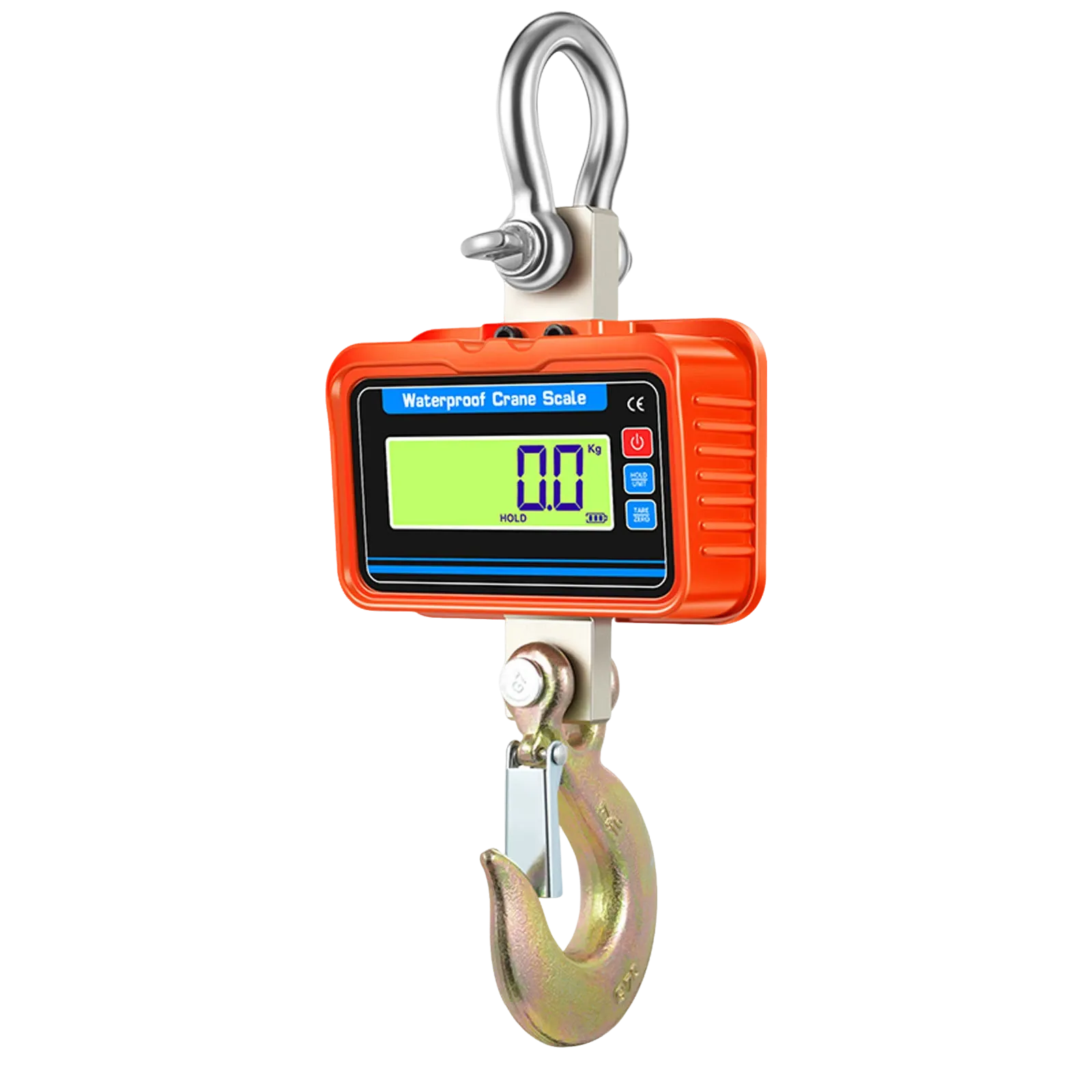
A digital hanging scale is a suspended weighing device used to measure loads safely and accurately without taking up floor space. In the UK, it is commonly used in warehouses, workshops, farms, ports and recycling yards to weigh anything from parcels to heavy industrial loads, provided the scale is correctly rated, calibrated and used in line with LOLER and other relevant guidance.
TL;DR: A digital hanging scale helps you weigh suspended loads quickly, accurately and with less disruption to workflow. Based on our testing for UK industrial use, the best models combine clear displays, durable alloy construction, reliable load cells and straightforward compliance with UK safety requirements such as LOLER. If you are choosing one, focus first on capacity, accuracy, display visibility, overload protection and whether you need Trade Approved status.
Key Takeaways
- Accuracy: Modern digital hanging scales can offer precision within 0.1% of full capacity, depending on model and application.
- Durability: Industrial-grade units made from aviation-grade aluminium alloy are better suited to harsh UK workshop and outdoor conditions.
- Safety: Regular calibration and compliance with the Lifting Operations and Lifting Equipment Regulations 1998 (LOLER) are essential for UK businesses.
- Versatility: Capacities typically range from 50kg for lighter goods to 30,000kg for demanding industrial lifting environments.
At CraneScale, we have spent years testing and supplying weighing equipment for British industry. Based on our testing in warehouses, fabrication workshops and logistics settings, a digital hanging scale is not simply a convenience; rather, it is often a key part of safe load handling. Whether you are weighing scrap metal for recycling, checking a pallet before shipment or measuring marine equipment in a boatyard, accurate readings matter. Therefore, we focus on equipment designed for UK conditions and aligned with relevant standards and best practice.
What Is a Digital Hanging Scale?
A digital hanging scale is an electronic weighing device that measures the weight of a load while it hangs from a hook or shackle. Unlike floor scales, it uses vertical space instead of valuable floor area. As a result, it is especially useful in busy industrial environments where loads are already being lifted by hoists, cranes or forklift attachments.
In industrial environments across Britain, from the busy ports of Felixstowe to the precision engineering hubs in the Midlands, digital hanging scales have become indispensable tools for safe and efficient operations. They allow precise measurement of suspended loads without interrupting workflow, which is particularly helpful in crowded workshops and warehouses.
How Does a Digital Hanging Scale Work?
A digital hanging scale works by using a load cell to convert force into an electrical signal. The internal electronics then process that signal and show the weight on an LED or LCD display. In comparison with older mechanical or hydraulic designs, digital models are generally easier to read, quicker to stabilise and less prone to user reading errors.
Historically, hanging scales relied on springs or hydraulic pressure. However, those systems could suffer from wear and parallax error over time. Today’s digital versions are preferred because they offer better precision and easier data handling. In the UK, demand has also shifted towards compliant digital solutions for workplaces that need dependable results day after day.
What Is a Digital Hanging Scale Used For?
The main use of a digital hanging scale is to weigh loads that are awkward, bulky or already suspended during handling. Consequently, these scales are popular across sectors where floor weighing is impractical or too slow.
Warehousing and logistics
They are often used to confirm pallet weights before dispatch, check incoming goods or verify freight loads without moving items onto a platform scale.
Recycling and scrap handling
Operators use them to weigh metal bundles, bags or containers quickly before processing or sale.
Agriculture and farming
From weighing feed bags in Norfolk to checking livestock equipment in Scotland, farmers value their portability and ease of use with loader arms or fixed beams.
Marine and industrial engineering
They are also useful for boatyards, fabrication shops and maintenance teams that need reliable suspended load measurements during lifting operations.
What Should You Look For in a Digital Hanging Scale?
If you are choosing a digital hanging scale for UK use, there are several features that matter more than headline price. Based on our experience with British manufacturing and logistics clients, these specifications usually make the biggest difference in real-world performance.
How important is load capacity?
The rated capacity should comfortably exceed your usual working loads. In addition, you should review the safe overload margin rather than relying only on maximum stated capacity. A robust industrial unit commonly offers at least 125% safe overload protection.
How accurate should a digital hanging scale be?
The right level of accuracy depends on your task. For internal process checks, many users prioritise consistency over legal-for-trade certification. However, if weight determines sale price, you may need a Trade Approved model suitable for that purpose in the UK.
Why does display visibility matter?
A bright display is crucial in dim workshops or outdoor winter conditions. Therefore, high-visibility LED screens with large digits can improve readability from several metres away and help operators remain out of the danger zone beneath suspended loads.
Which materials last best in UK conditions?
Aviation-grade aluminium alloy offers an excellent strength-to-weight ratio and good corrosion resistance. This matters particularly in coastal locations, damp buildings or unheated warehouses where moisture can be an issue.
How fast should the reading stabilise?
In fast-moving operations, waiting too long for a stable result slows everything down. Generally speaking, settling times under five seconds are preferable for routine warehouse or workshop use.
Does battery life matter?
Yes. Since these units may be mounted at height or used throughout long shifts, longer battery life reduces interruptions and limits unnecessary handling during operation.
Why Are Professional Digital Hanging Scales More Expensive?
The difference between a low-cost consumer model and an industrial digital hanging scale usually comes down to build quality, safety margin and long-term accuracy. Although cheaper products may look similar at first glance, professional units are designed to cope with shock loading, tougher environments and repeated daily use.
The load cell
The load cell is the heart of the scale. In our testing, higher-quality models tend to use better-machined alloy steel or aluminium components that return more reliably to their original shape after each lift. As a result, they are less likely to suffer from creep or calibration drift over time.
>Housing qualityReady to try CraneScale?
Shop Now — £19.99